April 3, 2026
Enhancing your home's electrical system is crucial for safety, efficiency, and increasing property value. With the rapid advancements in technology, homeowners can access a variety of upgrades that enhance both functionality and aesthetics. This article explores the top electrical upgrades available for residential properties and explains how local electricians play an integral role in implementing these changes. Whether it's upgrading to LED lighting or installing smart home systems, these enhancements can transform your living space into a modern sanctuary. Moreover, upgrading your electrical systems not only boosts utility and convenience but also plays a critical role in ensuring the safety and sustainability of your home.
1. Upgrading to LED Lighting
1.1 Benefits of LED Lighting
LED lighting represents a remarkable shift in how we illuminate our homes, offering unparalleled energy efficiency compared to traditional incandescent bulbs. These lights consume significantly less energy, which not only reduces electricity bills but also lowers carbon footprints. Their longevity is unmatched, with many LED lights lasting up to 25 times longer than traditional bulbs, thereby reducing waste and the frequency of replacements. Moreover, LED lights are free from the environmental hazards associated with traditional lighting options, such as the mercury found in some fluorescent bulbs. Adopting LED technology is a practical step towards creating a more sustainable and economically efficient household.
1.2 Choosing the Right LED Products
Selecting the appropriate LED product for each room in your home involves considering factors such as light color, lumens, and design. Bedrooms and living areas might benefit from warm white LEDs, which create a cozy ambiance, while cool white LEDs are better suited for kitchens and workspaces where more visibility is necessary. Fixtures and bulb shapes should complement the design aesthetic of each room, enhancing both functionality and style. Some homeowners also opt for smart LEDs that can be controlled remotely, offering additional convenience and customization. Consulting with a local electrician can provide guidance on the best LED options for your home’s specific needs.
1.3 Installation Process
Transitioning to LED lighting is a relatively straightforward process, yet it requires consideration of various factors to ensure optimal installation. Homeowners may need to replace existing fixtures or retrofit them to accommodate new technology, often requiring specialized knowledge. It's essential to plan the placement of LED lights strategically to achieve the desired lighting effect while maximizing energy efficiency. Furthermore, the installation of dimmers and smart controls often necessitates complex electrical work, for which professional assistance is advisable. A local electrician will ensure that this transition is seamless, safe, and compliant with relevant electrical codes.
1.4 Cost Analysis and Savings
While the initial investment for LED lighting can be higher than traditional lighting options, the long-term savings and benefits far outweigh the upfront costs. LED lights consume significantly less energy, resulting in lower utility bills over time. The extended lifespan of LEDs also means fewer replacements, reducing maintenance expenses. Furthermore, many areas offer incentives, rebates, or tax reductions for energy-efficient upgrades, which can offset initial costs. When considering these potential savings, it becomes evident that LED lighting is a financially prudent investment for homeowners aiming to reduce expenses while increasing the value of their property.
1.5 Hiring an Electrician for LED Upgrades
Engaging a professional electrician for LED upgrades ensures the installation is conducted safely and efficiently, which is crucial for avoiding potential electrical hazards. Electricians possess the knowledge to navigate existing wiring systems, ensuring compatibility with LED technology, and can advise on optimal lighting placement tools to maximize both utility and aesthetics. They can also incorporate advanced controls such as dimmers or smart systems, enhancing flexibility and convenience for homeowners. Moreover, electricians ensure that any upgrades comply with local building codes and standards, safeguarding both your home and investment. This professional touch not only enhances reliability but also adds peace of mind.
2. Installing Smart Home Systems
2.1 Overview of Smart Home Technology
Smart home technology has revolutionized modern living by introducing automation and remote control capabilities to various home systems. From smart thermostats that adjust the temperature based on your schedule to security systems that offer real-time monitoring and alerts, these technologies bring a new level of convenience and efficiency. The integration of smart lighting systems, voice assistants, and energy management apps have made it easier than ever to manage home environments and utilities from anywhere at any time. Furthermore, smart technology is versatile, allowing for future enhancements and integrations as new innovations arise, ensuring a long-term benefit to homeowners who invest in these solutions.
2.2 Benefits of Smart Home Systems
The benefits of integrating smart home systems extend beyond convenience; they also enhance security and energy efficiency in profound ways. Automated lighting and climate control systems reduce energy waste, adapting usage based on occupancy and user preferences, which can lead to substantial savings on utility bills. Smart security systems offer peace of mind with real-time alerts and remote monitoring capabilities, which help protect homes from potential threats. These systems can also be programmed to simulate occupancy, deterring crime when homeowners are away. Collectively, these features make smart home systems a valuable asset in safeguarding properties while enhancing the efficiency and comfort of daily life.
2.3 Popular Smart Home Devices
Smart home devices range widely in functionality, catering to various aspects of daily living, such as security, energy management, and entertainment. Smart thermostats like Nest and Ecobee allow for efficient energy use by learning homeowner routines and preferences. Security systems such as Ring and Arlo provide real-time surveillance and alerts, significantly enhancing home security without outsourcing monitoring. In lighting, systems like Philips Hue allow homeowners to customize lighting schemes via remote control, offering both convenience and energy savings. Together, these technologies create a holistic smart home experience, making everyday tasks easier, safer, and more efficient.
2.4 Installation Challenges
Despite their advantages, installing smart home systems comes with its share of challenges, particularly when it comes to compatibility and integration with existing systems. For seamless functionality, new smart devices must integrate smoothly with current electrical wiring and networks, which may require specialized knowledge to avoid conflicts or malfunctions. Additionally, improper setup can lead to connectivity issues, impacting the system's reliability and effectiveness. To compound the challenge, homeowners often need to address multiple systems simultaneously, which can be overwhelming without expert guidance. Engaging a professional electrician ensures that each component is installed correctly and functions optimally with minimal disruption.
2.5 How Electricians Can Assist
Local electricians are instrumental in ensuring the successful installation and integration of smart home systems, leveraging their expertise to navigate complex electrical networks. They can assess existing wiring to guarantee compatibility with smart technologies, minimizing potential issues such as overloaded circuits or weak connections. Electricians also simplify the setup process, allowing homeowners to avoid the common pitfalls associated with DIY installation, such as improper mounting or faulty connections. Moreover, they ensure that all installations adhere to safety standards and local codes, providing reassurance that the system will operate safely and efficiently. By entrusting these tasks to skilled electricians, homeowners can maximize their investment in smart technology, reaping the full benefits of modern home automation.
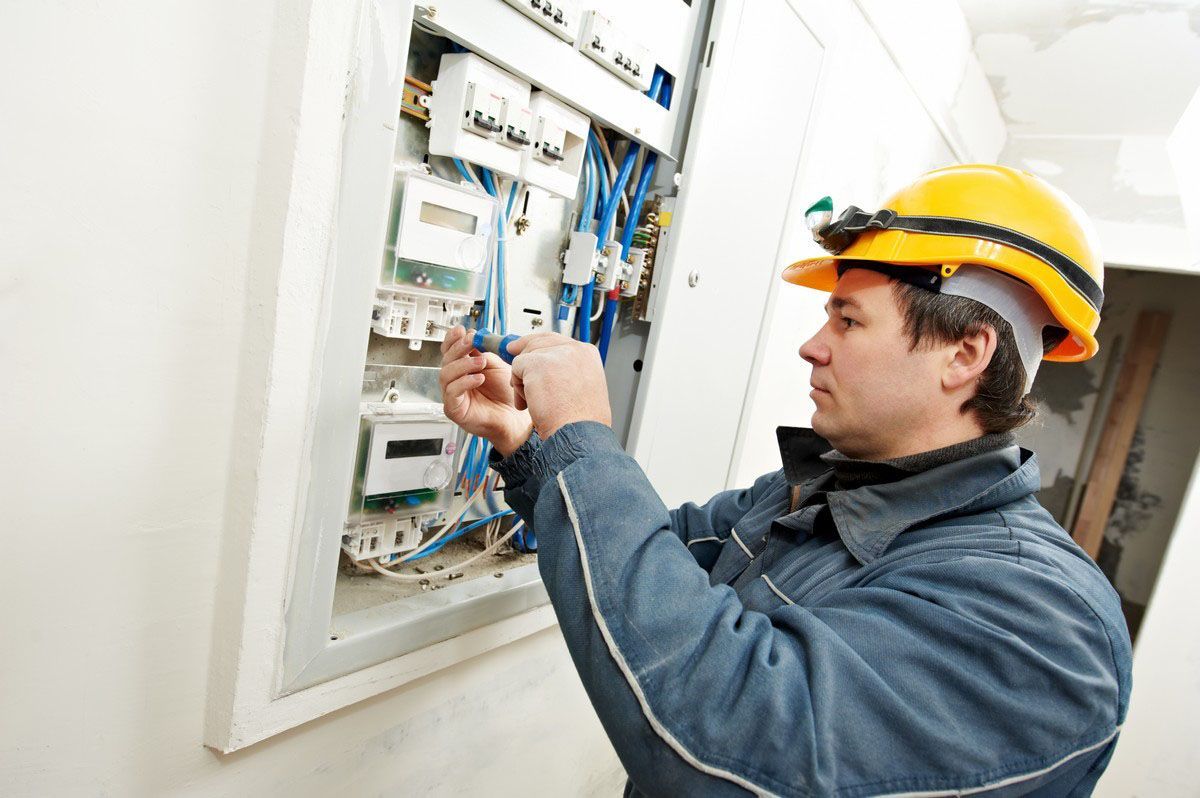
Recognizing the need for an electrical panel upgrade is crucial for maintaining a safe and efficient home. Frequent circuit breaker trips are a common indicator that your existing system may be overloaded, unable to handle the current demand. Other signs include dimming or flickering lights when multiple appliances are in use, which can suggest underlying electrical issues. According to the Common Ground Alliance, an estimated 700,000 underground utility lines are struck annually in the United States, causing loss of life and injury and substantial financial damage. Older panels might also show visible signs of wear such as rust, corrosion, or burnt spots, all of which signal an urgent need for replacement. Upgrading your panel not only supports new technologies and increased consumption but also significantly enhances home safety by reducing fire risks. Be sure to reach out to Robb's Electric today for more information on our professional local electricians!