March 7, 2026
Electrical systems power nearly every aspect of modern life, from lighting and appliances to heating, cooling, and communication devices. When electrical issues develop, they can quickly disrupt daily routines and pose serious safety concerns for homeowners and business operators alike. Problems such as flickering lights, tripped breakers, or faulty outlets may seem minor at first, but they often indicate deeper issues within a building's electrical infrastructure. Addressing these problems quickly helps prevent further damage and supports a safer environment throughout the property.
Working with local residential electricians allows property owners to identify the source of electrical issues and restore reliable power throughout the home. These professionals understand the complexities of electrical systems and how to diagnose problems that may not be visible on the surface. According to the Electrical Safety Foundation International, an average of 51,000 electrical home structure fires occur each year, resulting in nearly 500 deaths, more than 1,400 injuries, and over $1.3 billion in property damage. This statistic highlights the importance of addressing electrical concerns early so that small problems do not evolve into serious hazards.
Flickering Lights and the Causes Behind Them
Flickering lights are one of the most common electrical complaints among homeowners. While the issue may appear to be as simple as a loose light bulb, it can also signal deeper electrical concerns. In some cases, flickering occurs when bulbs are not properly secured in their sockets or when lighting fixtures have worn components. However, flickering may also stem from deteriorating wiring, overloaded circuits, or inconsistent voltage levels within the electrical system.
When local residential electricians investigate flickering lights, they begin by examining the lighting fixtures and switches connected to the circuit. If those components appear to be functioning normally, the inspection typically moves deeper into the electrical system. This may include evaluating wiring connections, checking circuit loads, and determining whether high-powered appliances are drawing excessive electricity from the same circuit as the lighting.
Power Surges and Protecting Electrical Equipment
Power surges occur when there is a sudden spike in electrical voltage moving through a home's wiring. Even small surges can gradually damage appliances and electronics, shortening their lifespan and leading to unexpected breakdowns. Larger surges may cause immediate failure in sensitive devices such as televisions, computers, or smart home systems.
Several factors can trigger power surges. Lightning strikes are a well-known cause, but they are far from the only source. Large appliances such as air conditioners or refrigerators may create internal surges when they cycle on and off. Faulty wiring, damaged utility lines, or problems within the electrical grid can also cause sudden fluctuations in voltage levels.
When investigating surge-related problems, local residential electricians evaluate both internal and external factors that may be contributing to the issue. This includes checking wiring conditions, examining large appliances that draw significant power, and reviewing the capacity of the home's electrical system. By understanding how electricity flows through the property, electricians can identify areas where surges may be occurring.
Circuit Breaker Tripping and Electrical Overload
Circuit breakers are designed to protect electrical systems from overheating and potential fires. When a breaker trips, it interrupts the flow of electricity to prevent wires from carrying more current than they can safely handle. While occasional tripping may occur during heavy electrical usage, frequent breaker trips often indicate an underlying problem that requires professional attention.
A common cause of breaker tripping is circuit overload. This happens when too many appliances or devices are connected to a single circuit, drawing more electricity than the wiring was designed to handle. Kitchens, laundry areas, and entertainment spaces frequently experience overload because multiple high-powered devices operate in the same area. When diagnosing these issues, local residential electricians begin by evaluating the breaker panel and identifying which circuits are experiencing frequent interruptions.
Dead Outlets and Loss of Electrical Connection
Dead outlets are another common electrical issue that can disrupt daily activities. When an outlet suddenly stops working, it may indicate a tripped breaker, a loose wiring connection, or a damaged outlet component. In some situations, the outlet may be connected to a ground fault circuit interrupter outlet located elsewhere in the home, which may have tripped and interrupted power to the outlet.
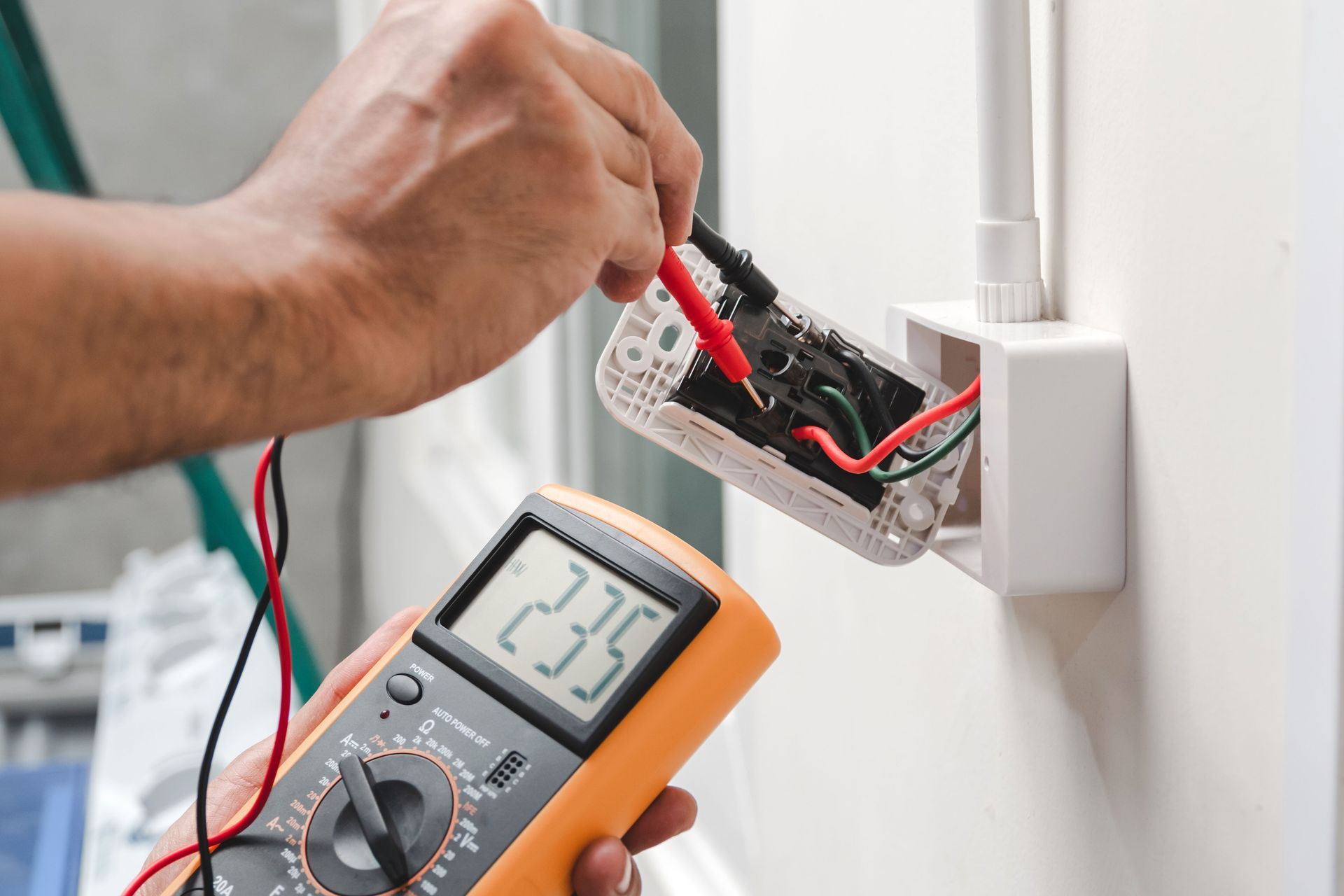
To diagnose the issue, local residential electricians begin by testing the outlet to determine whether electricity is reaching the device. If no power is present, the investigation expands to the circuit breaker panel and nearby outlets that may be connected along the same circuit.
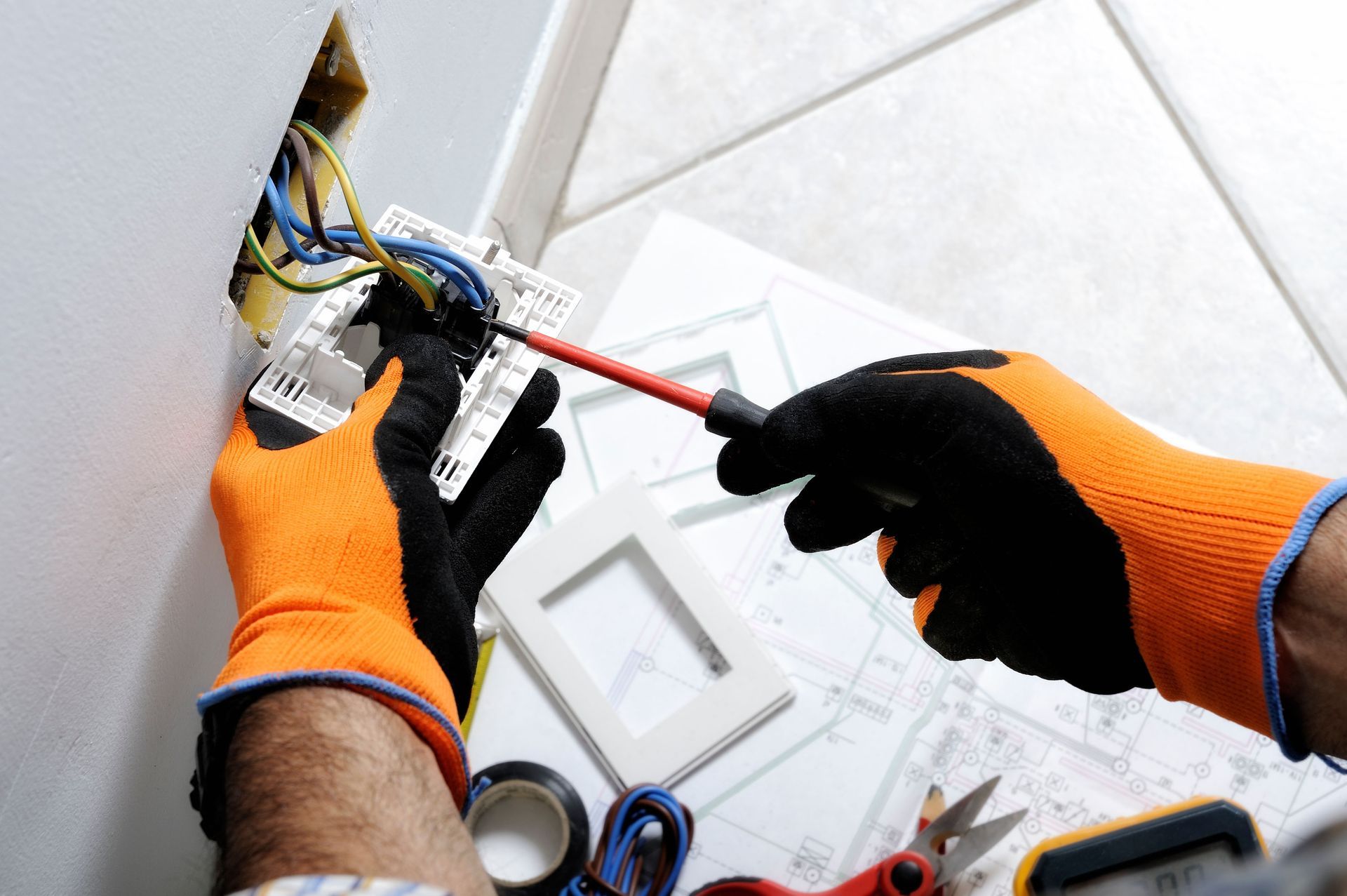
Loose wiring connections inside the outlet box are another frequent cause of outlet failure. Over time, wires can shift, degrade, or loosen due to regular use, temperature changes, or natural aging of the electrical system. When wiring connections weaken, the outlet may stop delivering electricity or operate intermittently.
High Electricity Bills and Inefficient Energy Use
Rising electricity bills often prompt homeowners to question whether their electrical systems are operating efficiently. While seasonal energy use can influence monthly costs, consistently high bills may indicate that appliances, lighting systems, or electrical components are consuming more power than necessary.
Electricians often begin by evaluating large appliances that draw significant electricity, such as heating and cooling systems, water heaters, and older kitchen equipment. Outdated appliances or those that are malfunctioning may consume more electricity than newer, energy-efficient models. Identifying these energy drains allows homeowners to make informed decisions about upgrades.
Lighting systems can also contribute to higher energy usage. Homes that still use traditional incandescent bulbs often consume significantly more electricity than those using modern LED lighting. Replacing outdated bulbs with energy-efficient alternatives can reduce overall electricity consumption while maintaining strong illumination.
Wiring Problems and Electrical System Upgrades
Wiring issues represent one of the most serious electrical concerns within a home. Over time, wiring can deteriorate due to age, environmental conditions, or outdated installation methods that no longer align with modern electrical demands. Warning signs of wiring problems may include warm outlets, burning odors, flickering lights, or frequent breaker trips.
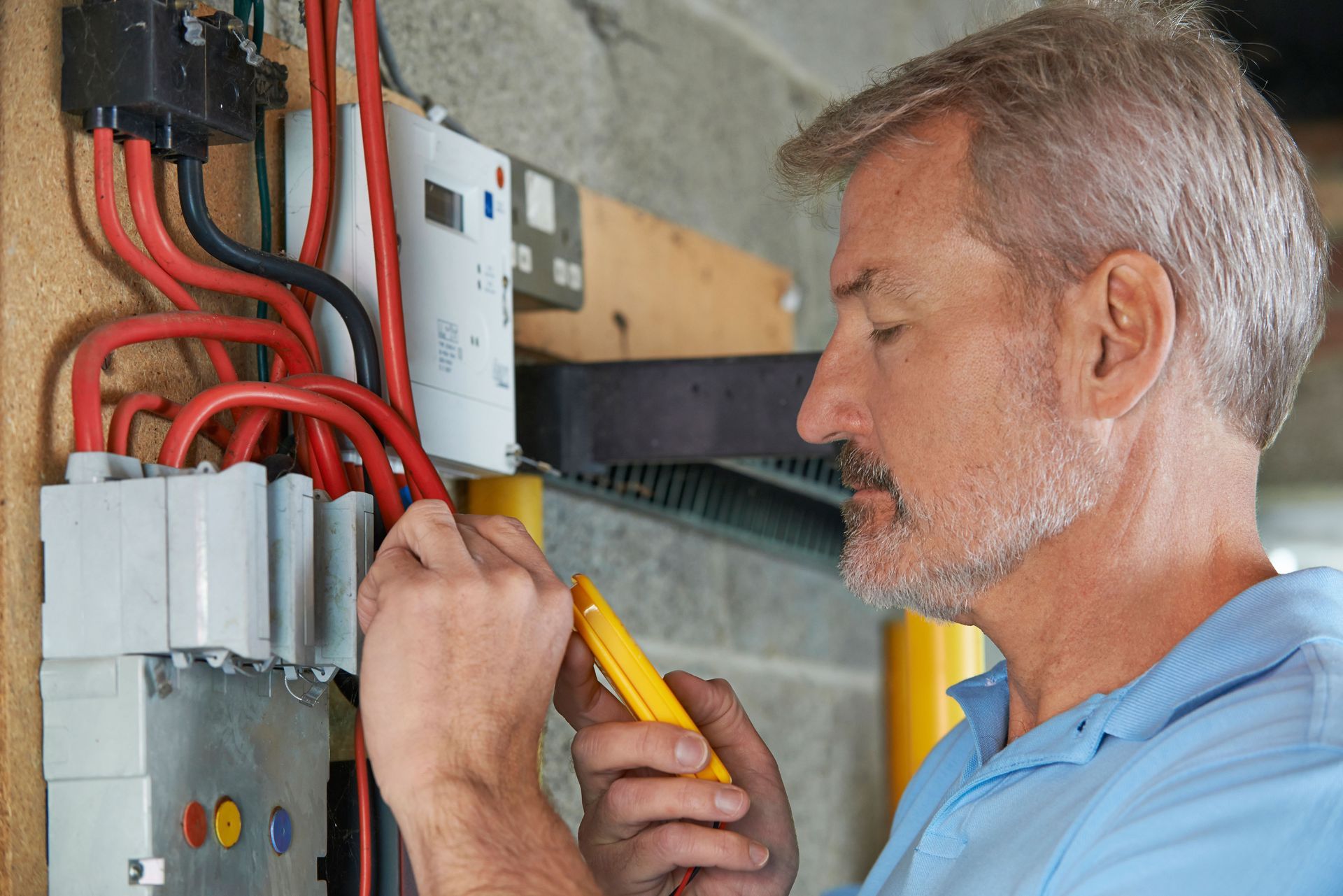
When these symptoms appear, local residential electricians conduct detailed inspections of the home's wiring system. Using specialized testing tools, they can evaluate electrical flow, identify damaged wires, and locate hidden problems inside walls or ceilings.
Older homes often contain wiring that was designed for far fewer electrical devices compared to modern homes today. As homes add appliances, electronics, and charging stations, older wiring systems may struggle to handle the increased electrical load. In these situations, upgrading the wiring system improves safety and allows the home to support modern energy needs. Rewiring projects involve replacing outdated or damaged wiring with new, code-compliant electrical cables. During this process, electricians may also install additional circuits, outlets, or dedicated lines for large appliances.
Electrical problems can appear in many forms, from flickering lights and dead outlets to circuit breaker trips and rising energy bills. While these issues may begin as minor inconveniences, they often signal deeper problems within a home's electrical infrastructure. Identifying the root cause early can prevent equipment damage, reduce safety risks, and restore consistent power throughout the property.
Working with local residential electricians allows homeowners to address electrical concerns with careful diagnosis and professional solutions. Through inspections, repairs, system upgrades, and energy-efficient improvements, electricians help maintain safe and reliable electrical systems that support modern living.
If your home is experiencing electrical problems or unusual power issues, contacting qualified
local residential electricians is an important step toward restoring safety and stability. Scheduling a professional electrical inspection at Robb's Electric can uncover hidden concerns, improve energy efficiency, and help protect your home for years to come.